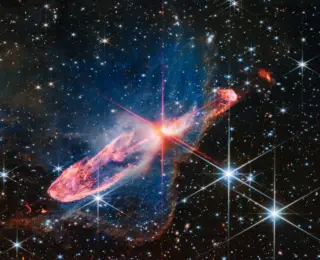
Highlights from the International Astronomical Union Symposium on “Exploring the Formation and Evolution of Planetary Systems”.
Join us for day two of live blogging the Communicating Science Workshop!
This paper describes the detection of transits for a planet previously identified via radial velocities (RVs). Measuring the properties of the planet with both the transit and RV method allows the authors to determine the density, which suggests it should have a lot of volatiles (e.g. H2O, CO2, etc). This discovery is particularly exciting because the planet orbits a bright, nearby star: ideal for follow-up observations to characterize its atmosphere!
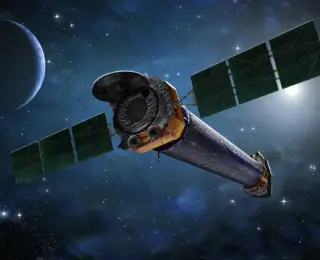
Although the reaction wheel failure incapacitates the telescope, we are still finding new Earth-sized planets in the plethora of existing data.
Astrobites will be at the 222nd AAS meeting in Indianapolis, IN from June 2-6, 2013! Will you? Although the regular abstract deadline has passed, you can still present a poster. The late deadline for the meeting is coming up soon: April 18 at 9:00 pm ET. Also, the regular registration deadline is even sooner: April 11. After [...]
A quick discussion of Planck’s new value of the Hubble constant, as part of our series on the Planck results.
Decadal surveys are the Bibles of space science policy. How are they prepared? How influential are they?
The federal budget sequester is symptomatic of a larger dysfunction.
The Sequester is a major blow to scientific research and development in the United States. In this piece I discuss the long-term implications of such a reduction in scientific output and how the Sequester affects space-related research.