
Galactic Tails tell Galactic Tales – and this one is a Strange Tail Indeed
Today’s authors discovered a very long, very odd galactic tail, and discuss what that means for its origin and for the history of the galax(ies) involved!

Today’s authors discovered a very long, very odd galactic tail, and discuss what that means for its origin and for the history of the galax(ies) involved!
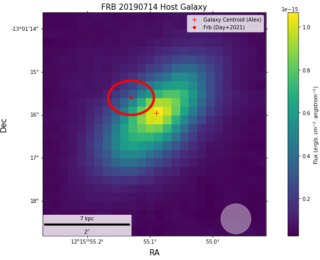
In the latest of our #UndergradResearch series, discover how Jada Louison used spectroscopy to analyze the host galaxy of a fast radio burst!

Find out how dark gaps can help fill in gaps in our knowledge of reionization
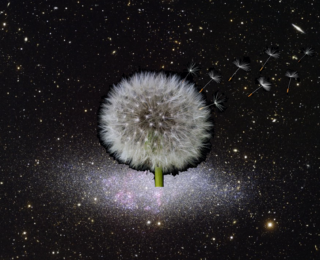
Today’s authors find that the edge of the Milky Way’s neighborhood might not be so empty after all.

Massive stars live fast and die young, making metals along the way.
The circumgalactic and intergalactic media may contain the majority of baryonic matter in the universe, but their low density makes them extremely faint. Can an instrument designed to image low surface brightness objects help shed light on these ghostly structures?