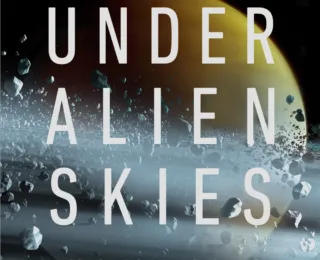
Book Review: Under Alien Skies by Dr. Phil Plait
Dr. Phil Plait takes us on a tour of his favorite spots in the galaxy in his new book, titled “Under Alien Skies” – here’s what we thought!

Dr. Phil Plait takes us on a tour of his favorite spots in the galaxy in his new book, titled “Under Alien Skies” – here’s what we thought!
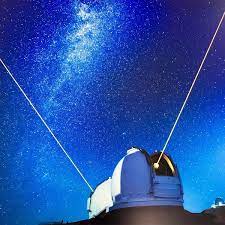
Adaptive optics is a key technology for modern astronomical observations, and we’ve got a great overview of it for you in this guide!
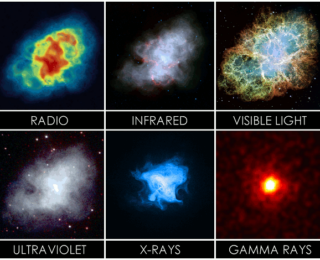
We’ve updated and expanded our “Guide to the Electromagnetic Spectrum”! Read on to learn about all the different flavors of light in the Universe, where this light comes from, and how we can detect it.
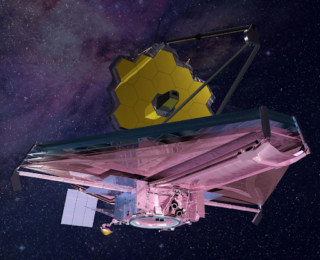
JWST has finally launched! Read on for what happened today, and what comes next.
You may have heard in the news that JWST is launching soon — we’ve got you covered with an overview of the space telescope, why it’s important, and what it’ll do for science!
Ever wondered what is the upper limit to massives stars’ luminosities? Or are you curious about how to become a successful woman in astronomy? Find out reading the AAS238 interview with Dr. Roberta Humphreys!